A Cozy, Versatile Design for Everyday Embroidery Projects
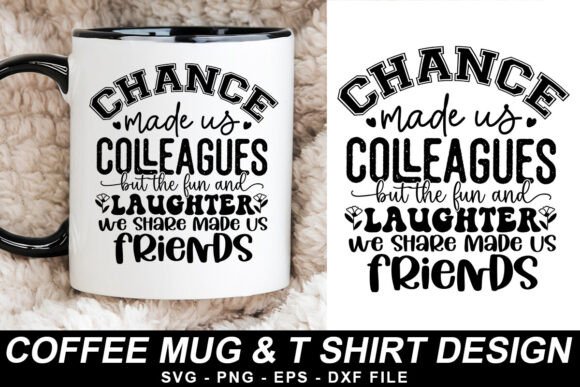
As a designer who works with embroidery files daily, my first rule is to judge a design not by its thumbnail, but by how it will translate into actual stitches on actual fabric. When I opened the Coffee Mug and T-Shirt Design, my immediate impression was one of warm, approachable simplicity. It’s not an overly intricate illustration; it’s a friendly, recognizable graphic that feels like a comfortable morning ritual. The layout is clean, the shapes are well-defined, and the overall mood is cozy and inviting—perfect for the crafters and small business owners who want to create products that feel handmade and personal.
Where This Design Naturally Belongs
This design screams practical application. Its theme is universally loved, and its execution is versatile enough to belong on a dozen different products. I picture it embroidered on a soft cotton tote bag for a local coffee shop’s branding, or as a sweet, small motif on the sleeve of a baby’s knit sweater for a “coffee-loving parent” gift. It would be charming on a kitchen apron or a linen tea towel—functional items that benefit from a touch of personality. For Etsy sellers and boutique owners, this graphic is a ready-made asset for creating a line of coordinated merchandise: mugs (via printable mockups), t-shirts, and embroidered home decor like pillow covers. The “Crafts” and “Graphics” category it comes from is accurate, but its real home is on textured fabric where its straightforward shapes can shine.
Thinking Through a Real Project: The Custom Embroidered Sweatshirt
Let’s walk through a typical scenario. I’m considering using the Coffee Mug and T-Shirt Design for a custom embroidered sweatshirt for a client’s small business. My first concern is visual clarity. The design has clear, separate elements—a mug and text—which means on a medium-weight sweatshirt fabric, with proper stabilizer, the satin stitches and fill stitches should hold their definition well. I’d test it on scrap fleece first to see how the stitch density handles the fabric’s texture. Would the text remain readable? For a design like this, I’d likely recommend a slightly larger hoop size than the minimum to ensure the details, especially any small lettering, aren’t cramped. The friendly vibe directly boosts the product’s value; it feels like a gift, not just a garment. That giftability and recognition are key for customer engagement.
Performance Across Different Embroidery Situations
The versatility mentioned in the product description holds up in practice. For lightweight custom apparel like t-shirts, careful hoop placement and a good stabilizer are crucial to prevent puckering, especially around the mug’s curved shape. On a structured canvas tote bag, it would be robust and crisp. As an embroidered patch, it would be excellent—the shapes are bold enough to stand alone. For baby clothes or nursery decor, scaled down appropriately, it becomes a gentle, charming accent. Holiday gifts, like a cozy blanket with this motif, would benefit from its warm theme. For commercial embroidery projects, like a series of caps for a cafe, the design’s simplicity means quick production and consistent results, which builds customer trust and brand consistency. It’s a solid foundation for a handmade presentation.
Caution Zones: Where to Use This Design Carefully
While versatile, every embroidery file has its limits. On very dark fabrics, thread color contrast becomes paramount—you’d need to choose a bright, contrasting palette so the design doesn’t get lost. On thin or stretchy fabrics, the stitch density needs to be assessed; too dense, and it could distort the material. Applying it to curved surfaces like caps requires checking that the design’s layout fits the cap’s curvature without awkward distortion of the mug shape. Tiny detailed corners, if present, might need slight adjustment in very small hoop sizes. And for products destined for frequent washing, like kitchen towels, ensuring the embroidery is secure and using quality thread is non-negotiable to maintain professionalism in the finished product.
Practical Notes for the Working Designer or Crafter
Before you run this embroidery file on your final project, do your homework. Always test it on a scrap of your target fabric first. This tells you everything about thread color contrast, how the satin stitch looks, and whether any running stitch details are clear. Check it in black and white mockups to see its form without color influence. Compare how it feels on a light background versus a dark one—sometimes a design’s personality changes. Use the proper stabilizer for your fabric; this is not a step to skip. Crucially, if you intend to sell the finished items or use this digital embroidery file for commercial projects, confirm the licensing terms. The product description mentions it’s ready to use, but you must verify if that includes commercial use for your craft business, Etsy listings, or small shop products.
The Coffee Mug and T-Shirt Design is a straightforward, mood-enhancing graphic. It won’t overwhelm a project with complexity, but it will add that recognizable, heartfelt touch that makes personalized gifts and handmade products special. Its strength is in its clear, cozy theme and adaptable layout. For apparel decorators, digital product sellers, and creative entrepreneurs, it’s a reliable design asset that, with practical preparation, can translate beautifully into stitches and help build a line of engaging, professional-looking work.