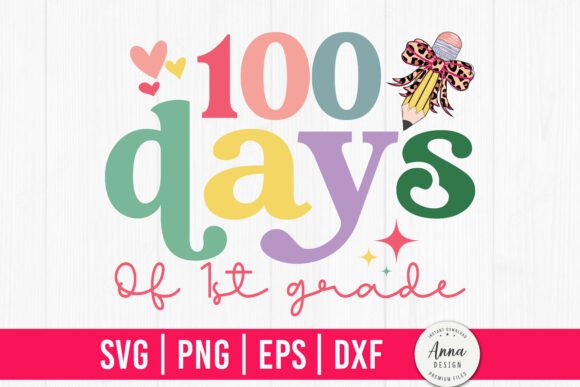
A Designer’s Practical Review of the 100 Days of 1st Grade SVG
The First Impression: A Design Built for Celebration
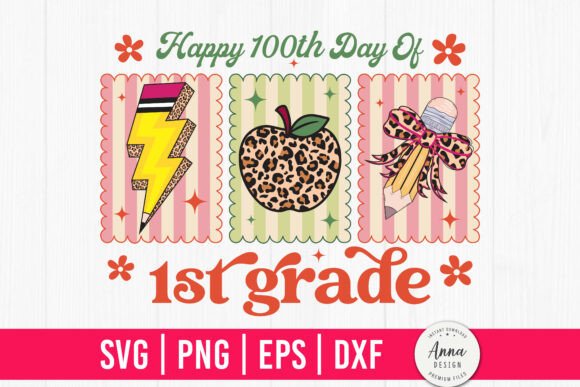
When I first opened the 100 Days of 1st Grade SVG file, my immediate thought was, “This is a celebration piece.” The theme is clear and joyful, centered around that proud milestone in a child’s school year. The layout and typography feel classic and approachable, designed not for intricate artistry but for clear, readable recognition. It creates a mood of accomplishment and playful pride. As a designer, I see this not as a standalone graphic but as a component of a finished product. Its visual personality is friendly and straightforward, which tells me it belongs on items meant to be worn, displayed, or gifted—items that tell a story.
The Natural Home for This Embroidery Design
In my mind, I instantly started placing this design onto different surfaces. Its clear, bold elements make it a prime candidate for custom apparel. Picture a child’s sweatshirt or a cozy t-shirt, embroidered with this design to commemorate the 100th day of school. It would shine on a tote bag a parent uses, a personalized patch on a backpack, or even a simple pillow cover in a classroom-themed bedroom. For small business owners and Etsy sellers, this design translates easily into holiday gifts—think a beautifully embroidered tea towel for a teacher, or a sweetly decorated blanket for a first grader. The graphic’s structure lends itself well to printable mockups for digital product listings, giving customers a clear idea of the finished, stitched product.
Performance in Real-Life Embroidery Projects
Moving from the digital file to the actual needle and thread is where the real judgment happens. Let’s walk through a real scenario. I recently considered using this design for a custom embroidered tote bag intended as a boutique product for a local shop. The goal was a clean, durable, and attractive item that would appeal to parents and teachers.
The “100 Days of 1st Grade” text and associated graphic elements, when translated into an embroidery file, need to consider stitch density. Areas with larger shapes will handle fill stitches well, but the smaller details and lettering will rely on satin stitches or running stitches for definition. On a sturdy fabric like canvas for a tote, this design would hold up beautifully, with crisp edges. On a stretchy fabric like a cotton t-shirt, careful stabilizer choice is paramount to prevent puckering around the denser areas.
Where This Design Requires a Careful Approach
Not every project is ideal. This design should be used carefully on very small hoop sizes, as cramming the details can lose clarity. Textured fabrics like certain sweaters might obscure the clean lines. The same goes for dark fabrics; without thoughtful thread color contrast, the celebratory message can get lost. Embroidering on curved surfaces, such as caps, requires testing—some of the design’s horizontal elements might need adjustment for optimal visual flow on a curved plane.
I would be cautious with tiny, delicate items like some baby clothes if the design is scaled down too much; the lettering could become a dense, stiff patch. Always inspect those small details in a test run. For products destined for frequent washing, like kitchen towels or aprons, a robust stitch density and high-quality thread are non-negotiable to maintain the design’s integrity and the product’s value.
Impact on Visual Appeal and Customer Perception
How does this embroidery design affect the final product’s appeal? When executed well, it elevates a simple item into a personalized gift with emotional resonance. The clarity of the stitching directly impacts customer trust; a clean, professional embroidered finish suggests care and quality. For handmade presentation and brand consistency for creative entrepreneurs, a design like this, applied uniformly across a product line—say, a series of school milestone sweatshirts—builds a recognizable and professional offering.
Its giftability is high. It’s specific, meaningful, and celebrates a shared experience. This recognition factor drives buyer engagement in Etsy listings or craft fair displays. People see the finished embroidered product and immediately understand its purpose and value.
Practical Notes for the Embroidery Designer
Before hooping up your main project, always test the 100 Days of 1st Grade SVG design on scrap fabric first. This is not just about checking machine compatibility; it’s about seeing the physical result. Review the stitch density for your chosen fabric weight. Check thread color contrast against both light and dark background mockups—sometimes a slight color adjustment makes all the difference.
Confirm your hoop size can accommodate the design at the scale you want without compromising detail. Use the proper stabilizer; a cutaway for permanent items like bags, a tear-away for delicate apparel. Crucially, if you are a digital product seller or plan to sell the finished embroidered items commercially, you must confirm the licensing terms of this digital file. The product description mentions it’s a digital file for cutting machines, but for embroidery use, especially commercial embroidery projects, verifying the license is a fundamental business step.
Final Thoughts: A Design for Making and Marketing
The 100 Days of 1st Grade SVG, from a designer’s point of view, is a solid design asset. It serves a clear niche and translates well into the tactile world of embroidery. Its strength lies in its thematic focus and straightforward composition, making it a reliable choice for crafting personalized gifts, custom apparel, and small shop merchandise. It asks the maker to bring their skill in execution—the choice of fabric, thread, stabilizer, and final product format—to truly unlock its potential.
For crafters, hobbyists, and creative entrepreneurs, this design is a tool. Its value is realized not in the digital preview, but in the thoughtfully stitched finished product. Whether you’re embroidering a patch for a child’s jacket or producing a line of boutique baby items for your Etsy shop, approach it with practical testing and a clear vision for the end use. That’s where a good digital file becomes a great embroidered reality.