Mama Valentine SVG: Graphics for Crafting Sweet Brands
As a designer reviewing assets for a real client project, I first open the Mama Valentine SVG file with a practical eye. My client is a boutique babywear brand launching a Valentine’s Day collection for mothers and newborns. They need visuals that feel heartfelt, modern, and commercially versatile. This isn't about a cute graphic; it's about finding a design element that can anchor a seasonal campaign across multiple touchpoints.
The First Impression: Warmth with a Clean, Playful Line
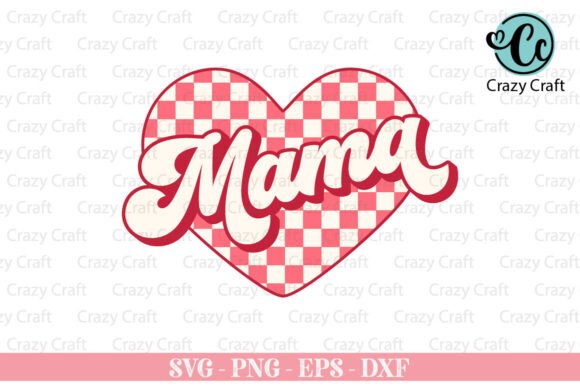
Immediately, the asset establishes a mood. It’s not overly saccharine; it carries a warmth balanced by clean illustrative lines. The style leans into a contemporary handcrafted feel—it’s illustrative enough to be charming but retains a graphic simplicity that won’t overwhelm a layout. This makes it a natural fit for clients in the handmade business space, Etsy sellers, or small brands focusing on motherhood, children, and seasonal celebrations. It doesn't scream "corporate"; it whispers "personalized" and "celebratory."
Where This Valentine Graphic Shines in Real Projects
For my client’s project, I envision several high-impact applications. The SVG’s scalability means it performs beautifully as a hero graphic on their website launch page or as a central motif on product packaging design for limited-edition Valentine boxes. In marketing visuals, it becomes the unifying element across Instagram posts and Pinterest pins, creating instant campaign recognition.
For printable designs, it’s excellent. The vector nature ensures crisp edges for Cricut projects like custom sticker designs or t-shirt design appliqués. I'd test it on product mockups for mugs and tote bags—the artwork’s balance of detail and openness means it translates well to sublimation design and physical merchandise without losing its character. As a supporting brand element on invitations for a local newborn event or decorative accents on editorial design for a parenting blog, it adds thematic polish without requiring custom illustration.
The Practical Limits: Scaling and Context
Every graphic design asset has its optimal context and its caution zones. This Valentine SVG works best in medium to large layout areas where its illustrative details can be appreciated. I would avoid using it at very small sizes, such as in a crowded footer logo or tiny social media icon, where the finer lines might blur or disappear.
It should be placed carefully on complex backgrounds. The design needs clear visual hierarchy and space to breathe. On a minimalist, clean background, it pops. On a busy, textured backdrop, it could fight for attention. For projects demanding ultra-clean, corporate professionalism, this asset might feel too thematic. Its strength is in emotional appeal and audience engagement for niche, heartfelt brands, not in austere corporate branding.
Testing the Asset: A Designer’s Checklist Before Client Use
Before committing this digital product to a client’s commercial design, I run through a standard set of practical checks. First, I test the SVG in black and white to ensure the forms hold up without color dependency—crucial for any potential single-color printing or embroidery guides. I check contrast by placing it on both light and dark backgrounds to confirm readability remains strong.
I preview it at various sizes: scaled up for a poster or flyer, and scaled down for a product label or web design badge. I place it on real mockups—a t-shirt template, a mug, a packaging die-line—to see how it interacts with real-world shapes and margins. If PNG files are included, I inspect the transparency edges to ensure they’re clean for quick drag-and-drop use in Canva templates or social media graphics.
A critical step is reviewing the file formats and their editability. The SVG format should allow me to ungroup elements, adjust colors to match my client’s brand identity, and perhaps isolate components for use as separate decorative accents. I also compare its style alongside various font choices. Paired with a clean sans serif font for text, it creates a modern, friendly balance. With a delicate script font, it might enhance the handmade aesthetic. The key is ensuring it doesn’t clash and maintains brand consistency.
The final, non-design check is paramount: confirming the commercial license. For use in a client’s print-on-demand shop or as part of their product line’s packaging design, the license must explicitly allow commercial use. Never assume.
Building a Cohesive Visual Campaign with a Single Asset
What makes a design asset like Mama Valentine SVG valuable is its ability to seed a cohesive visual campaign. For my boutique client, this one graphic can be adapted across their entire Valentine’s Day launch. The core illustration can be the logo design for the seasonal sub-brand. Elements can be extracted for pattern fills on website graphics. It can become the watermark on their digital ads.
This builds visual trust and recognition. When a customer sees the same sweet, consistent motif on the Etsy product page, the shipped box, and the Instagram ad, the entire brand experience feels more professional and polished. It elevates a small business branding effort from using scattered clipart to deploying a strategic, reusable design bundle.
The Emotional Pull and Professional Polish
Ultimately, the judgment on whether to use this asset comes down to two questions: Does it resonate emotionally with the target audience? And does it elevate the project’s professional impression? For audiences engaging with motherhood, childhood, and Valentine’s Day, this graphic has a direct emotional appeal. It feels personal and celebratory.
When applied thoughtfully—with attention to contrast, scale, and licensing—it moves a project from a basic product description to a creative design with intentional mood. It provides a ready-made, high-quality visual that saves design time while offering the flexibility to be tailored. For designers, brand owners, and content creators working in the crafts and graphics space, assets like this are not just decorations; they are tools for building memorable, market-ready visual stories.